U.S. Military Surges Airstrikes in Somalia Against ISIS and Al‑Shabaab Militants
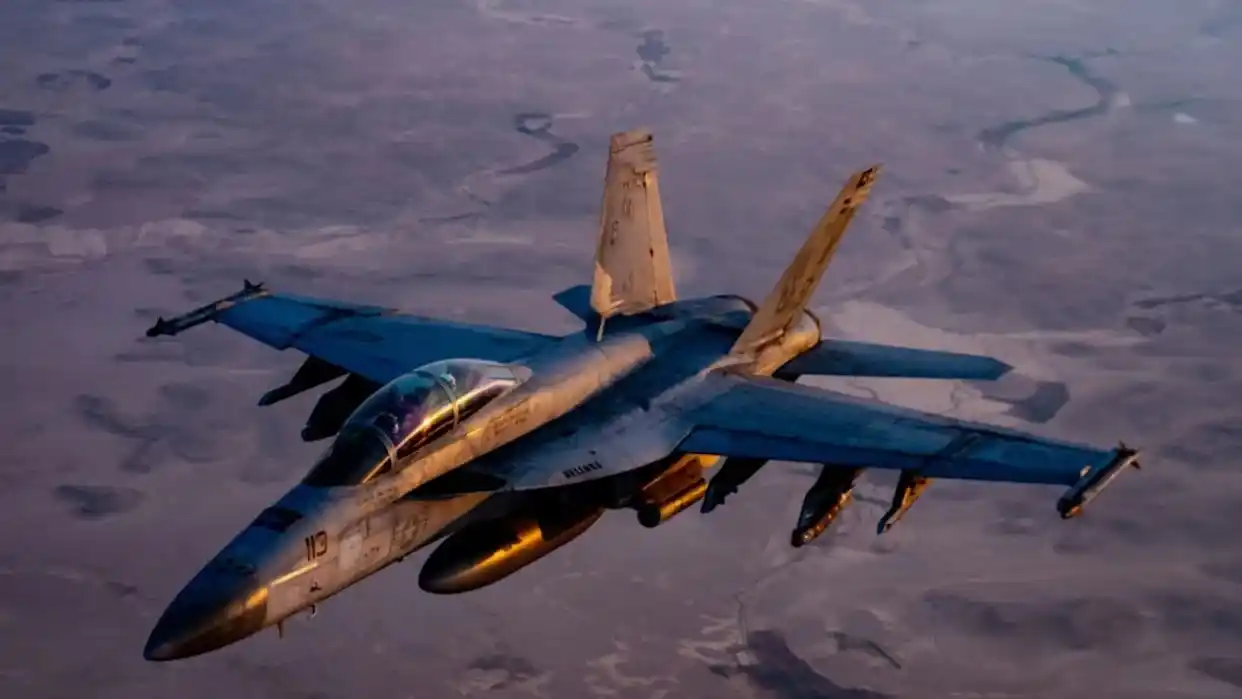
In a significant escalation of counterterrorism operations, the U.S. military has dramatically increased airstrikes across Somalia, hitting multiple hideouts and command posts belonging to ISIS-Somalia and the Al-Qaida-linked Al-Shabaab. The surge marks one of the most intense air campaigns in the region this year, with officials confirming dozens of militant casualties and the destruction of key logistics hubs.
The United States military has significantly intensified its air campaign in Somalia, launching a series of airstrikes over the past 48 hours against both ISIS‑Somalia and Al‑Shabaab, the Al‑Qaida‑linked militant group that controls large swathes of the country’s south and central regions.
According to officials from U.S. Africa Command (AFRICOM), the strikes targeted multiple militant hideouts, training camps, and command-and-control nodes in coordination with the Federal Government of Somalia. The surge represents one of the most aggressive phases of U.S. counterterrorism operations in the Horn of Africa this year.
“We are committed to degrading these terrorist networks that threaten Somali stability and regional security,” an AFRICOM spokesperson said in a statement. “This surge in precision airstrikes disrupts the militants’ ability to plan and execute attacks against civilians, Somali forces, and U.S. personnel.”
Local sources in the Puntland region reported hearing multiple explosions late Tuesday and early Wednesday, where ISIS-Somalia has maintained a growing foothold. Witnesses said the strikes hit mountainous areas known to serve as logistical hubs for the extremist group.
Al-Shabaab has faced repeated aerial bombardment in the Lower Juba and Middle Shabelle regions, where it has waged a deadly insurgency against the Somali government for more than a decade. The group has been responsible for thousands of civilian casualties and continues to carry out high-profile bombings in Mogadishu and elsewhere.
Somali government officials welcomed the escalation, noting that the airstrikes have already inflicted heavy losses on militant leadership. “This is a decisive blow,” said a senior Somali military commander who spoke on condition of anonymity. “We are seeing unprecedented coordination with our international partners.”
Defense analysts estimate that dozens of militants have died in the past week alone, despite the lack of official casualty figures. The U.S. has not reported any civilian casualties, though independent monitoring groups have urged both sides to ensure compliance with international humanitarian law.
The surge comes as the Somali National Army, backed by African Union transition forces (ATMIS), prepares for a second phase of offensives aimed at reclaiming territory still held by Al-Shabaab. Washington has long viewed Somalia as a key front in the global fight against Al‑Qaeda and ISIS affiliates.
Observers note, however, that sustained airstrikes alone are unlikely to eliminate the insurgent threat without corresponding governance and economic development. “Air power is critical, but it must be paired with on‑the‑ground capacity and local reconciliation efforts,” said a regional security analyst based in Nairobi.
As the bombing campaign continues, residents in militant‑controlled areas remain on edge, fearing both extremist reprisals and the possibility of further strikes. The U.S. has not announced an end date for the current surge, signaling that operations could intensify in the coming days.